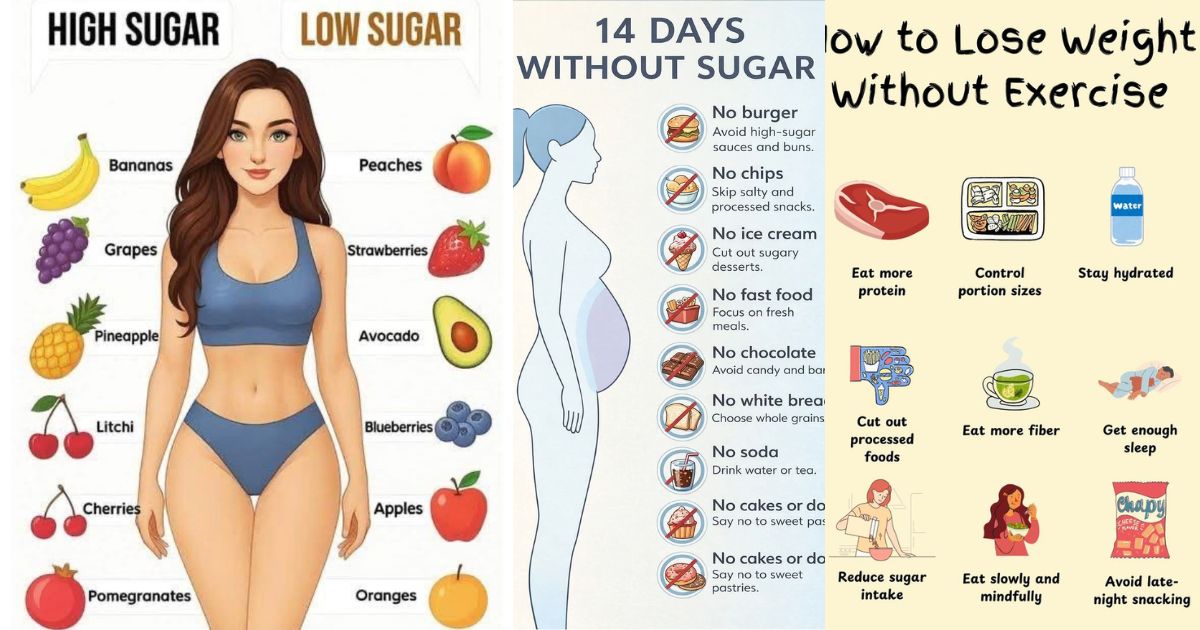
Weight loss is often associated with intense workouts, gym memberships, and exhausting fitness routines. While exercise is beneficial for overall health, it is not the only way to lose weight. Many people successfully reduce body fat through natural lifestyle and dietary changes alone. If you are unable to exercise due to time, health conditions, or personal preference, you can still achieve meaningful and sustainable weight loss.
This guide will explain how to lose weight naturally without exercise by focusing on food choices, habits, metabolism, and daily routines that support fat loss.
Understanding Weight Loss Without Exercise
How Weight Loss Actually Works
Weight loss happens when your body burns more calories than it consumes. This is called a calorie deficit. Exercise is one way to burn calories, but reducing calorie intake and improving lifestyle habits can also create the same effect.
Why Exercise Is Not Mandatory
Although exercise improves fitness and accelerates fat loss, it is not strictly required for weight loss. Your diet and daily habits have a much greater impact on body weight than physical activity alone.
The Importance of Consistency
Without exercise, consistency in eating habits becomes even more important. Small daily choices determine long-term results.
Focus on Your Diet First
Eat Whole, Natural Foods
Whole foods are the foundation of natural weight loss. They are nutrient-dense and naturally lower in calories.
Include:
- Vegetables
- Fruits
- Whole grains
- Lean proteins
Reduce Processed Foods
Processed foods are often high in sugar, unhealthy fats, and calories.
Limit:
- Fast food
- Packaged snacks
- Sugary drinks
- Refined carbohydrates
Control Portion Sizes
Even healthy foods can cause weight gain if eaten in large amounts.
Simple methods:
- Use smaller plates
- Eat slowly
- Stop when satisfied
Eat Foods That Keep You Full
Increase Protein Intake
Protein helps reduce hunger and keeps you full for longer.
Good sources:
- Eggs
- Chicken
- Fish
- Tofu
- Beans
Eat More Fiber
Fiber slows digestion and reduces appetite.
High-fiber foods:
- Vegetables
- Fruits
- Oats
- Whole grains
Choose High-Volume Foods
Low-calorie, high-volume foods help you eat more while consuming fewer calories.
Examples:
- Lettuce
- Cucumbers
- Zucchini
- Tomatoes
Improve Your Drinking Habits
Drink More Water
Water helps control hunger and supports metabolism. Many people eat when they are actually thirsty.
Start Your Day with Water
Drinking water in the morning helps activate digestion and hydration.
Avoid Sugary Drinks
Sugary beverages add unnecessary calories without making you full.
Replace with:
- Water
- Herbal tea
- Black coffee
Build Healthy Eating Habits
Eat Slowly
Eating slowly helps your brain recognize fullness, reducing overeating.
Avoid Emotional Eating
Many people eat due to stress or boredom rather than hunger.
Try to identify triggers and find alternatives like walking or relaxing.
Stick to Regular Meal Times
Skipping meals can lead to overeating later in the day.
Improve Your Metabolism Naturally
Eat Balanced Meals
Balanced meals help stabilize blood sugar and energy levels.
Include:
- Protein
- Fiber
- Healthy fats
Use Natural Metabolism Boosters
Some foods may slightly increase metabolism:
- Green tea
- Coffee
- Ginger
- Chili peppers
Stay Active in Daily Life
Even without exercise, staying generally active helps burn more calories.
Focus on Sleep Quality
Why Sleep Affects Weight
Poor sleep disrupts hormones that control hunger, leading to cravings and overeating.
How Much Sleep You Need
Aim for 7–9 hours of quality sleep each night.
Improve Sleep Habits
- Avoid screens before bed
- Maintain a consistent sleep schedule
- Create a calm environment
Manage Stress Effectively
Stress and Weight Gain Connection
Stress increases cortisol levels, which can lead to fat storage, especially in the abdominal area.
Natural Stress Relief
- Deep breathing
- Meditation
- Listening to music
- Spending time in nature
Avoid Emotional Eating
Find non-food ways to cope with stress.
Increase Non-Exercise Activity
Move More in Daily Life
Even without workouts, daily movement helps burn calories.
Examples:
- Walking around the house
- Standing instead of sitting
- Doing chores
Take Small Walking Breaks
Short walks throughout the day can significantly increase calorie burn.
Avoid Long Sitting Periods
Standing or moving regularly keeps metabolism active.
Avoid Common Mistakes
Eating Too Little
Severely restricting calories can slow metabolism and lead to fatigue.
Relying on Processed “Diet Foods”
Many diet products are highly processed and not healthy.
Expecting Instant Results
Weight loss without exercise is slower but more sustainable.
Build a Simple Daily Routine
Morning
Drink water and eat a healthy breakfast.
Afternoon
Eat a balanced lunch and stay hydrated.
Evening
Have a light dinner and relax before sleep.
Stay Consistent Over Time
Focus on Habits
Daily habits matter more than short-term efforts.
Track Progress
Monitor weight, energy levels, and eating habits.
Be Patient
Sustainable fat loss takes time.
Motivation and Mindset
Set Realistic Goals
Focus on steady progress rather than fast results.
Celebrate Small Wins
Every improvement matters.
Stay Flexible
Adjust habits when needed without giving up.
Long-Term Success Strategy
Make It a Lifestyle
Weight loss should become part of your daily routine, not a temporary phase.
Keep Things Simple
Simple habits are easier to maintain long-term.
Focus on Health, Not Just Weight
Energy, mood, and well-being are also important indicators.
Final Thoughts
Losing weight naturally without exercise is absolutely possible when you focus on the right habits. By improving your diet, controlling portions, staying hydrated, managing stress, and getting enough sleep, you can create a sustainable calorie deficit and lose fat effectively.
The key is consistency. Small daily actions may seem insignificant, but over time they lead to real and lasting results. Stay patient, stay disciplined, and trust the process as your body transforms naturally and safely.