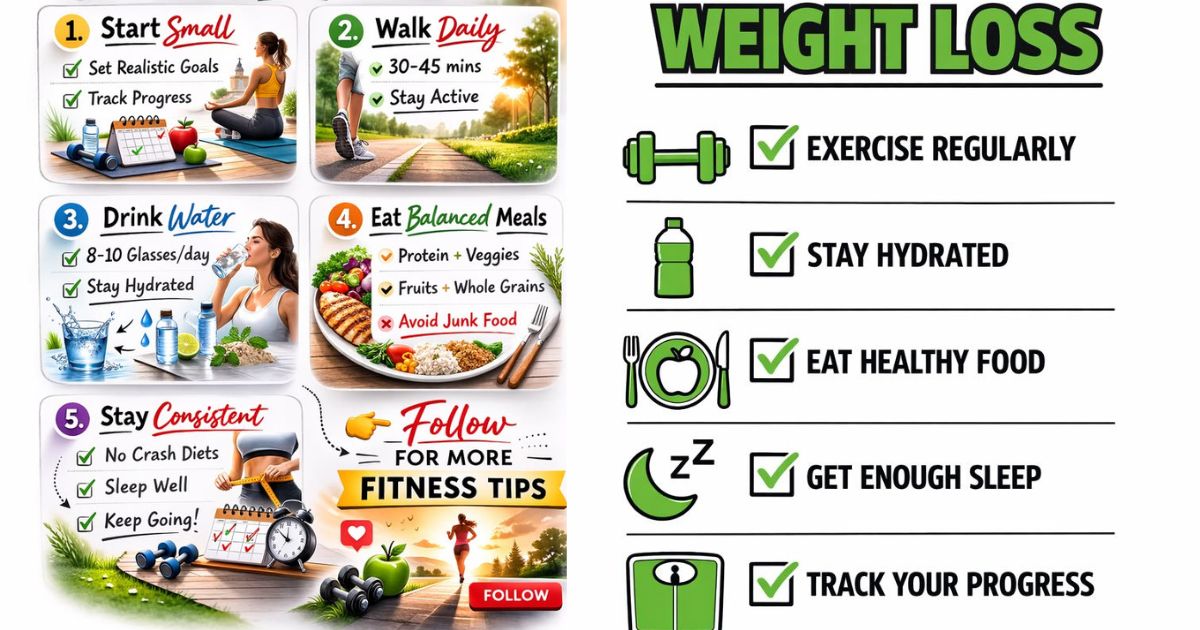
Achieving weight loss is one thing, but maintaining it over the long term is where the real challenge lies. Many people successfully lose weight only to gain it back months later. This cycle often happens because they rely on short-term diets or extreme changes that are not sustainable. The key to lasting results is building daily habits that support a healthy lifestyle.
Long-term weight loss is not about perfection or strict rules. It is about consistency, balance, and making choices that you can maintain for years. In this guide, you will learn simple yet powerful daily habits that can help you lose weight and keep it off for good.
Understanding Long-Term Weight Loss
Why Most Diets Fail
Many diets focus on quick results rather than sustainable change. They often involve strict restrictions that are difficult to maintain. Once the diet ends, old habits return, and so does the weight.
Long-term success requires a shift in mindset—from temporary dieting to permanent lifestyle change.
The Power of Daily Habits
Your daily actions determine your results. Small habits repeated consistently can lead to significant changes over time. Instead of focusing on big, drastic changes, focus on improving your daily routine.
Start Your Day Right
Drink Water First Thing in the Morning
Starting your day with a glass of water helps rehydrate your body and kickstart your metabolism. It also prepares your digestive system for the day ahead.
Eat a Balanced Breakfast
A healthy breakfast provides energy and helps control hunger throughout the day. Include protein, fiber, and healthy fats to stay full longer.
Examples include eggs with vegetables, oatmeal with fruits, or yogurt with nuts.
Move Your Body Early
Light physical activity in the morning can boost your energy and improve your mood. This could be a short walk, stretching, or a quick workout.
Build Healthy Eating Habits
Eat at Regular Times
Maintaining consistent meal times helps regulate your metabolism and prevents excessive hunger.
Focus on Whole Foods
Choose natural, unprocessed foods whenever possible. These foods are more nutritious and help control calorie intake.
Practice Portion Control
Eating the right amount is just as important as eating the right foods. Use smaller plates and listen to your body’s hunger signals.
Avoid Mindless Eating
Eating while distracted can lead to overeating. Focus on your meals and enjoy every bite.
Stay Active Throughout the Day
Increase Daily Movement
You don’t need to spend hours exercising. Simple activities like walking, standing, or doing household chores can make a big difference.
Incorporate Structured Exercise
In addition to daily movement, include regular workouts in your routine. Aim for a mix of cardio and strength training.
Take Breaks from Sitting
Sitting for long periods can slow your metabolism. Stand up, stretch, or walk around every hour.
Prioritize Sleep and Recovery
Get Enough Sleep
Sleep is essential for weight management. Lack of sleep affects hormones that control hunger and can lead to overeating.
Aim for seven to nine hours of quality sleep each night.
Create a Sleep Routine
Go to bed and wake up at the same time each day. Avoid screens and caffeine before bedtime.
Allow Time for Recovery
Rest days are important, especially if you exercise regularly. They help your body recover and prevent burnout.
Manage Stress Effectively
Understand the Impact of Stress
Stress can lead to emotional eating and weight gain. It also affects hormones that influence fat storage.
Practice Relaxation Techniques
Incorporate stress-relief activities into your daily routine, such as meditation, deep breathing, or yoga.
Make Time for Yourself
Taking time to relax and enjoy activities you love can improve your mental well-being and support your weight loss journey.
Stay Hydrated
Drink Water Regularly
Staying hydrated helps control appetite and supports overall health. Aim to drink water throughout the day.
Replace Sugary Drinks
Sugary beverages add unnecessary calories. Choose water, herbal tea, or other low-calorie drinks instead.
Build Consistency
Focus on Small Changes
Big changes can be overwhelming. Start with small, manageable habits and build from there.
Be Patient
Long-term weight loss takes time. Avoid rushing the process and focus on steady progress.
Stay Committed
Consistency is the most important factor. Even on difficult days, try to stick to your healthy habits.
Track Your Progress
Monitor Your Habits
Keeping track of your daily habits can help you stay accountable. You can use a journal or a mobile app.
Measure More Than Weight
Weight is just one measure of progress. Pay attention to energy levels, fitness, and overall health.
Adjust When Needed
If something isn’t working, don’t be afraid to make changes. Flexibility is key to long-term success.
Build a Positive Mindset
Set Realistic Goals
Set achievable goals that align with your lifestyle. This keeps you motivated and focused.
Celebrate Small Wins
Recognize your progress, no matter how small. This helps build confidence and motivation.
Avoid Negative Thinking
Be kind to yourself. Everyone makes mistakes, and setbacks are part of the journey.
Create a Support System
Share Your Goals
Let friends or family know about your goals. Their support can help you stay on track.
Find a Community
Joining a group with similar goals can provide motivation and accountability.
Learn from Others
Reading about or listening to others’ experiences can inspire you and provide new ideas.
Plan Your Days
Prepare Your Meals
Planning meals in advance can help you make healthier choices and avoid last-minute unhealthy options.
Schedule Your Workouts
Treat exercise like an important appointment. Scheduling it increases the likelihood that you will follow through.
Organize Your Environment
Keep healthy foods accessible and remove temptations from your surroundings.
Avoid Common Pitfalls
Skipping Meals
Skipping meals can lead to overeating later. Stick to regular meal times.
Over-Restricting
Being too strict can lead to frustration and binge eating. Allow yourself some flexibility.
Comparing Yourself to Others
Everyone’s journey is different. Focus on your own progress.
Sample Daily Habit Routine
Morning
Start with water, eat a healthy breakfast, and move your body.
Afternoon
Eat a balanced lunch, stay active, and stay hydrated.
Evening
Have a light dinner, relax, and prepare for restful sleep.
Long-Term Lifestyle Strategies
Make It Enjoyable
Choose activities and foods that you enjoy. This makes it easier to stay consistent.
Stay Flexible
Life is unpredictable. Adapt your habits as needed while staying committed to your goals.
Keep Learning
Continue to educate yourself about health and wellness to improve your lifestyle over time.
Final Thoughts
Long-term weight loss is not about quick fixes or extreme measures. It is about building daily habits that support a healthy and balanced lifestyle. By focusing on consistent, sustainable changes, you can achieve lasting results and maintain them over time.
Remember, every small step counts. Stay patient, stay consistent, and trust the process. Over time, these daily habits will become part of your routine, leading to a healthier, stronger, and more confident version of yourself.